
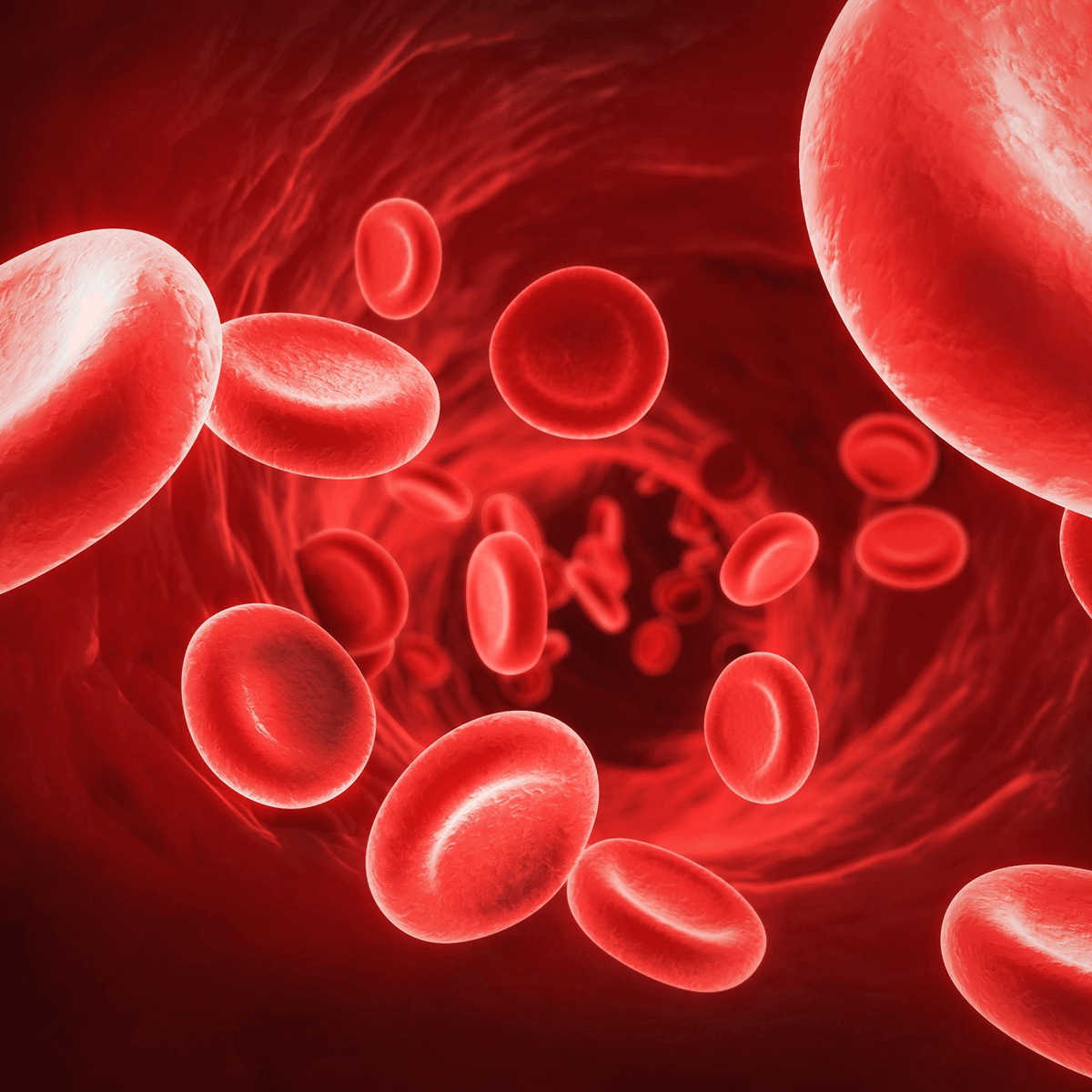
You might work out at the gym and pump iron a few times a week, but your body pumps iron through the bloodstream continuously, every day. Iron is needed to make haemoglobin, the part of red blood cells that acts like a taxi driver for carbon dioxide and oxygen: it picks up oxygen in the lungs, drives it through the bloodstream and drops it off in tissues such as the skin and muscles. It then picks up carbon dioxide and drives it back to the lungs, where it is exhaled.
Key takeaways
- Iron deficiency can occur after any bariatric procedure, despite routine supplementation.
- Symptoms often appear only once iron deficiency has progressed to iron deficiency anaemia.
- ASMBS: 18 mg of iron from a multivitamin for males and patients without a history of anaemia; 45–60 mg elemental iron daily for menstruating females and after RYGB, SG or BPD/DS.
- Screening: within 3 months after surgery, every 3–6 months until 12 months, then annually.
What is iron deficiency?
Iron deficiency after bariatric surgery occurs when the body does not absorb enough iron to perform daily functions. You might be deficient without knowing it, because symptoms appear only once iron deficiency has progressed to iron deficiency anaemia: a condition in which the body's iron stores are so low that not enough normal red blood cells can be made to carry oxygen efficiently throughout the body. Iron deficiency is one of the most common nutritional deficiencies in the United States and the leading cause of anaemia. People who have had bariatric surgery are at great risk of developing iron deficiency due to restriction, malabsorption or a combination of the two.
What are the main causes of iron deficiency?
There are many reasons why a person might become iron deficient. We know that bariatric surgery changes the way your body absorbs vitamins and minerals from food.
- Too little iron: eating too little iron over an extended period can cause a shortage. After bariatric surgery, your body might have trouble digesting and absorbing iron from food. Iron deficiency can occur after any bariatric procedure, despite routine supplementation.
- Poor absorption: bariatric surgery can reduce the level of stomach acid that breaks down food, making it harder to absorb iron from what you eat. Combined with rerouting the part of the intestines where most iron is absorbed – as in a Roux-en-Y gastric bypass (RYGB) or biliopancreatic diversion with duodenal switch (BPD/DS) – this makes absorption even harder, leading to deficiency.
- Bleeding: bleeding in your digestive tract can cause iron deficiency. Some people develop ulcers after bariatric surgery, and chronic blood loss from an ulcer can cause anaemia.
- Folic acid and vitamin B12: not getting enough folic acid and vitamin B12 can also cause anaemia. Bariatric surgery limits the amount and types of food you can eat, making sufficient vitamins and minerals an absolute must after surgery to prevent deficiencies.
What are the common signs and symptoms of iron deficiency?
Iron deficiency can occur after any bariatric procedure, despite routine supplementation. Symptoms include:
- Fatigue and weakness
- Pale skin
- Koilonychia (spoon-shaped nails) and brittle nails
- Dizziness and headache
- Glossitis (inflamed tongue)
- Cold hands and feet
- Chest pain
- Pica (unusual cravings for non-nutritive substances)
What is the American Society for Metabolic and Bariatric Surgery (ASMBS) guideline for iron?
The ASMBS guideline for iron depends on surgery type, gender, age and history of anaemia:
| Group | Iron per day |
|---|---|
| Males and patients without a history of anaemia | 18 mg from a multivitamin |
| Menstruating females and patients after RYGB, sleeve gastrectomy (SG) or BPD/DS | 45–60 mg elemental iron (cumulatively, including iron from all vitamin and mineral supplements) |
Oral supplementation should be taken in divided doses, separately from calcium supplements, acid-reducing medications and foods high in phytates or polyphenols. Vitamin C supplementation may be added to increase iron absorption and decrease the risk of iron overload. Intravenous (IV) iron infusions should be administered if iron deficiency does not respond to oral therapy.
How is iron deficiency anaemia diagnosed and treated?
Iron deficiency can occur after any bariatric procedure, despite routine supplementation. Routine laboratory testing after bariatric surgery to assess for iron deficiency should include a complete blood count, ferritin, iron concentration and total iron binding capacity, which is used to calculate transferrin saturation. Clinical signs and symptoms should also be considered where a deficiency is suspected. Routine screening is recommended within 3 months after surgery, then every 3–6 months until 12 months, and annually thereafter for all patients.
Depending on your iron levels, you may be able to raise your iron stores with some changes to your diet. However, most patients will need a supplement. Your healthcare provider will tell you how much oral iron to take, and may recommend a type of iron you can absorb more easily than typical over-the-counter (OTC) forms.
In case of deficiency, supplementation should be increased to provide 150–200 mg of elemental iron daily, up to amounts as high as 300 mg 2–3 times daily. Oral supplementation should be taken in divided doses, separately from calcium supplements, acid-reducing medications and foods high in phytates or polyphenols. Vitamin C supplementation may be added to increase iron absorption and decrease the risk of iron overload. For some, iron supplements will not be enough: IV iron infusion should be administered if iron deficiency does not respond to oral therapy.
Never start or change your iron dose on your own. Your bariatric team or healthcare provider determines your dose based on your blood test results.
What can I do to prevent iron deficiency after gastric bypass surgery?
Having your laboratory tests done regularly is key. After bariatric surgery, your healthcare provider will need to monitor your iron levels and other nutrients for the rest of your life, typically annually. Iron deficiency and anaemia can occur years or even decades after gastric bypass surgery. Red meat, poultry, seafood, leafy greens, legumes, iron-fortified grains and other iron-fortified foods are all good sources of iron from food.
Working with a registered dietitian to find the right iron supplementation plan for you and to monitor your food intake after surgery is in your best interest. A dietitian can provide a road map to keep you on track with the best foods and supplements to prevent deficiencies. Taking a daily vitamin and mineral supplement that meets the ASMBS guidelines after bariatric surgery, to prevent anaemia and other nutritional problems, is vital to your long-term success.
Sources
- Camaschella C. Iron deficiency anemia. New England Journal of Medicine. 2015;372:1832. https://www.nejm.org/doi/10.1056/NEJMra1401038
- Adamson JW. How we diagnose and treat iron deficiency anemia. American Journal of Hematology. 2016;91:31. https://onlinelibrary.wiley.com/doi/full/10.1002/ajh.24201
- Schweiger C, Weiss R, Berry E, Keidar A. Nutritional deficiencies in bariatric surgery candidates. Obesity Surgery. 2010;20(2):193-197.
This article is for general information only and does not replace personal medical advice. Always discuss your situation, blood test results and supplementation with your bariatric team or healthcare provider.